




Start with a clear purpose for seasonal variety
Seasonal variety gives a programme a reason to change. Familiar fruit can remain available while a rotating option introduces another flavour or texture. Employees do not have to become adventurous eaters, and the office does not have to buy every fruit displayed in a supplier catalogue. A restrained rotation is usually easier to explain and review than a large assortment with no clear allocation.
Write the purpose in everyday language: offer a dependable fruit break with some variation across the month. That statement helps procurement compare proposals. An assortment that looks extensive but contains several unwanted items may be less useful than a smaller selection chosen with employee feedback. Ask what the team wants to retain, what they would like to try and what they would prefer to exclude. Separate those preferences from assumptions about which products sound expensive or fashionable.
Explain vitamin C accurately
The NIH Office of Dietary Supplements vitamin C fact sheet explains that vitamin C supports normal immune function and helps the body absorb iron from plant foods. These roles do not mean that an office fruit bowl prevents infections, treats illness or substitutes for medical care. Keep workplace messages within that distinction.
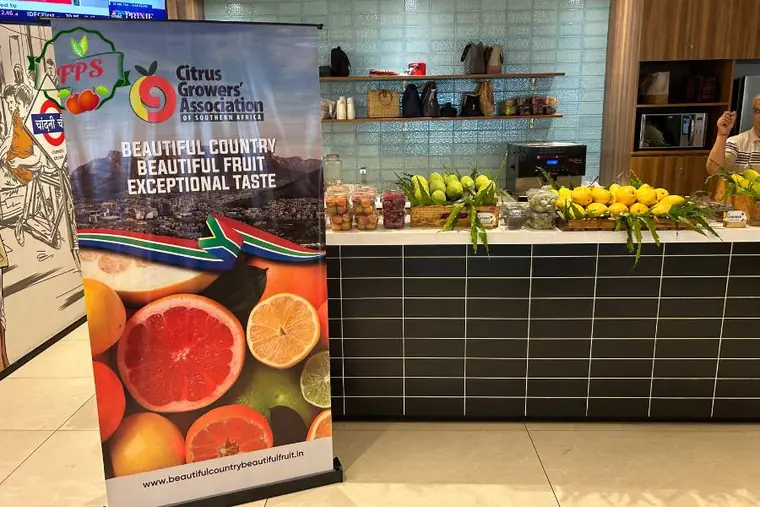
Use a descriptive label such as seasonal citrus selection instead of guaranteed immunity boost. If an employee asks about a specific condition, medication or supplement, route that question to an appropriate healthcare professional. The purchasing team can answer what fruit was ordered, which ingredients are included and how the product is presented. It should not infer a nutrient prescription from a person's job title, age or attendance pattern. Clear boundaries make the information more useful and the programme easier to trust.
Build a familiar base before adding a seasonal feature
A base assortment is the part of the plan employees recognise. It might contain two familiar options, with a third line left open for a seasonal proposal. The exact fruit depends on availability, acceptance and the intended service format. This approach lets the workplace change one element without rebuilding the complete receiving and distribution process every week.
For example, an office could request one easy-to-carry option and one peelable option, then ask the supplier to suggest an additional fruit for a scheduled shared break. This is an illustrative brief, not a nutritional formula. If the featured item is unfamiliar, first ask for a smaller trial or clear preparation information. Record whether people chose it and whether the handling worked. A rotation succeeds when the team can serve and use it, rather than simply naming a new item on a menu.
Treat the calendar as a discussion tool
Seasonal calendars are useful starting points, but they cannot confirm a particular week's grade, price or stock. Weather, origin, harvest timing and logistics can change what a supplier is able to offer. Avoid publishing an exact year-round promise solely because an attractive calendar shows a fruit in a particular month. Obtain confirmation for the delivery being planned.
Use the seasonal fruit calendar to collect ideas, then make a shortlist in the fruit planner. Add the proposed delivery dates and describe whether alternatives are welcome. A brief that says seasonal option to be approved before dispatch gives the buyer a useful control point. A brief that allows any substitution without discussion may create an assortment the team did not intend to order. The calendar supports the conversation; the confirmed proposal defines the service.
Compare edible format rather than fruit names alone
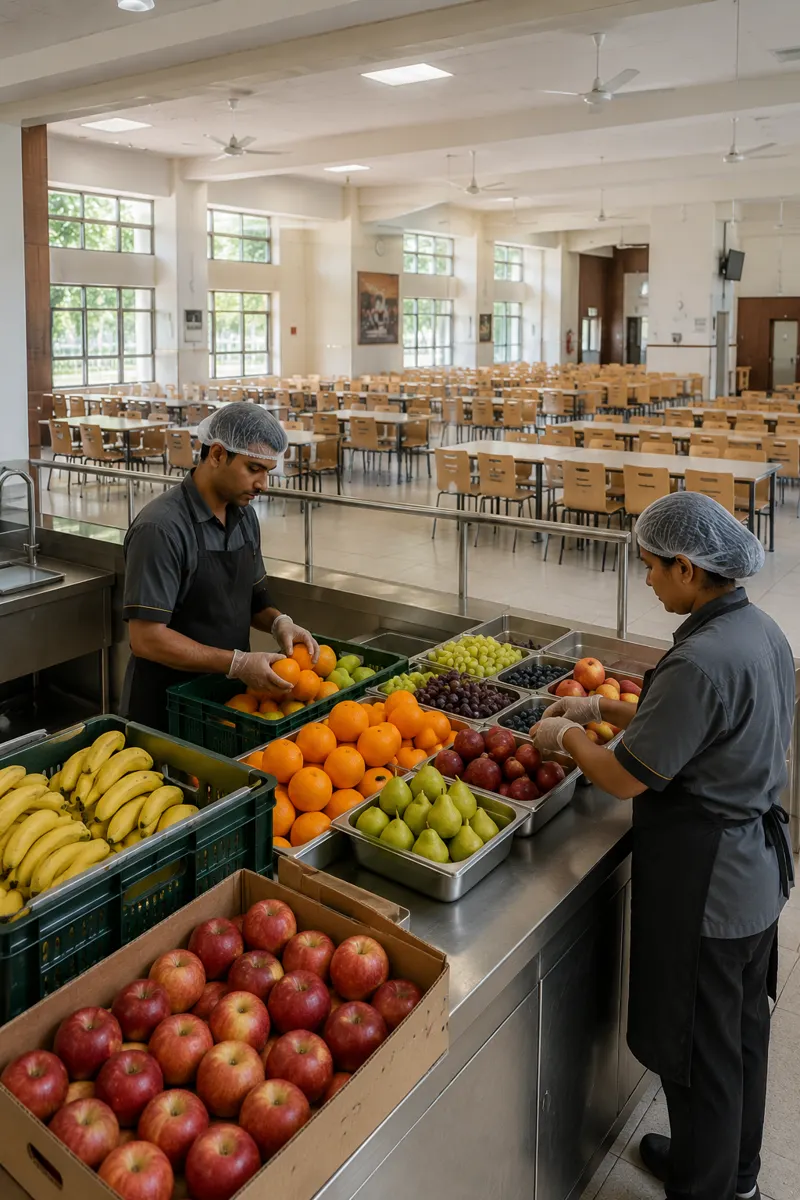
Two proposals containing the same fruit can involve very different work for the office. Whole fruit may need a suitable collection point and washing arrangements. Prepared portions need their own receiving, storage and service plan. Some fruits create more peel, seeds or serving mess than others. These practical details affect whether employees can use the benefit during an ordinary break.
Compare the format alongside the ingredient list. Ask whether the order contains whole pieces, prepared bowls or meeting platters; how quantities are measured; and who is responsible for preparation. If the office has no suitable preparation space, an impressive whole-fruit display may create an avoidable problem. If the workplace lacks capacity for prepared portions, a simple whole-fruit selection may be easier to manage. The whole-fruit versus cut-fruit guide helps structure that operational comparison.
Introduce new options without creating waste
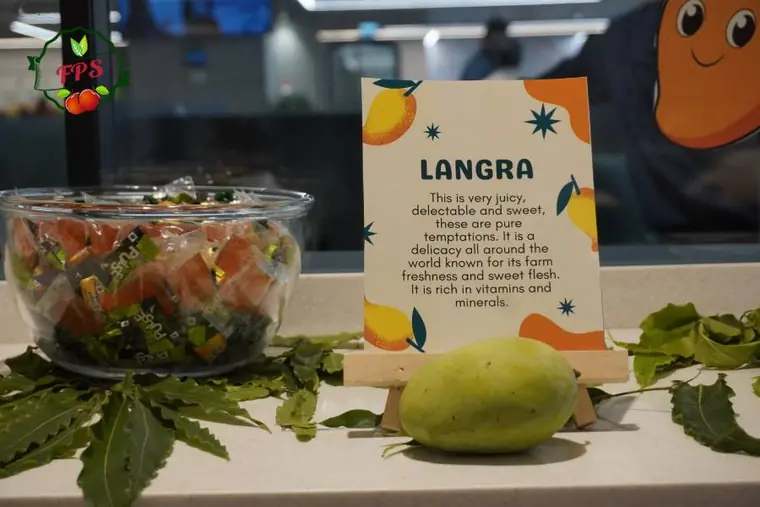
A featured fruit deserves a clear introduction. Give its name, explain the serving format and say whether it is part of the regular mix or a trial. Do not assume employees will recognise a variety from a photograph or know whether an item is ready to eat. A simple factual label can be more helpful than a large poster about wellness.
Keep an accepted alternative during the trial where the budget and service allow. Ask a small number of practical questions after the break: was the fruit easy to use, would people choose it again, and was the portion format convenient? Count unused portions separately from damaged or rejected stock. Those categories call for different responses. Lower demand may mean a smaller allocation next time; a receiving defect requires a quality discussion rather than a claim that employees dislike seasonal fruit.
Make substitutions explicit before ordering
A substitution rule should identify what can change and who approves it. Some offices are comfortable with one seasonal fruit being replaced by another familiar option. Others need exact ingredients for a meeting, an internal notice or a recorded exclusion. Neither approach is universally better. The important point is that both buyer and supplier understand the rule before the order is dispatched.
Create three columns in the purchasing brief: preferred item, acceptable alternative and approval required. Leave a genuine no-substitution line where appropriate. If a particular fruit is excluded, do not assume a substitute is acceptable merely because it belongs to a different category in the catalogue. Ask how the requested exclusion can be handled and what limitations apply. A recorded preference is not an allergen-free guarantee. Retain the supplier's response with the agreed order rather than relying on a verbal recollection.
Match communication to the employee experience
An announcement should answer the questions somebody has when approaching the counter. Where is the fruit? When is it available? Is it intended for this shift? Can somebody take an alternative? Who handles a quality concern? These details influence everyday use more directly than a long list of nutrient names on the office intranet.
If nutrition information is included, link the original source and keep it separate from the service promise. Describe the programme as one convenient food option within the working day. Avoid suggesting that employees who decline it are less interested in their health. A person may have a preference, a restriction, their own food or no appetite at that time. Respecting that choice is part of a considerate workplace offer. Keep feedback private when it includes personal circumstances and aggregate ordinary preference information for planning.
Plan an illustrative four-week rotation
Consider a workplace that has two consistent attendance days and a changing third day. In the first week, it could offer a familiar whole-fruit pair. In the second, it could retain one accepted option while trialling a supplier-confirmed seasonal alternative. In the third, a planned team meeting might use an approved prepared selection. In the fourth, the buyer could repeat the most practical combination and review the month's feedback.
The example shows a decision process, not a promised FPS package. Actual quantities should follow expected attendance and an agreed allocation. Do not multiply the total payroll by every working day when many employees work elsewhere. Record meeting guests separately and provide the supplier with a delivery-specific count. The office fruit programme measurement guide explains how to review usage without turning collection figures into a medical outcome or an unsupported return-on-investment claim.
Keep the budget readable
Separate the core recurring order from seasonal trials and event extras. If everything is combined into one monthly total, a more expensive meeting platter can make the regular pantry service appear to have changed price. A clear purchase record lets the buyer understand whether costs changed because of quantity, format, selection, delivery requirements or an approved one-off addition.
Request a proposal with the units needed for comparison. Whole-piece counts, prepared weights and service quantities are different measures. An apparent price advantage can disappear if two quotes refer to different allocations. Keep packaging, delivery conditions and any preparation responsibilities visible. Set a review point for the seasonal feature so the organisation can decide whether to repeat it. The aim is a useful and understandable benefit, with enough flexibility to respond to preferences and a budget that can be explained without reconstructing several informal messages.
Coordinate receiving before promoting the selection
A featured fruit day often attracts more attention than a routine delivery. That makes receiving and distribution more important. Name the receiving contact, confirm the location and tell the team where the order should be taken. A delivery left in the wrong room can miss the planned break even when the fruit itself matches the brief.
Prepared selections should follow the instructions for the actual order and the workplace's procedures. Confirm storage capacity before agreeing a large quantity. For detailed handling questions, use the cut-fruit receiving and office refrigeration guide and obtain product-specific instructions. If a meeting is postponed, refer to the agreed process rather than improvising a new service time. Presentation, handling and reliable access belong in the same planning conversation; none becomes less important because the assortment is described as seasonal or premium.
Answer the common buyer questions
Does a seasonal fruit programme need different fruit every day? No. Variation can happen weekly or across a longer review period. Employees may value familiarity, and the office may need a dependable format. Choose a rotation the team can receive, explain and use consistently. Add variety where it improves the experience rather than treating constant change as the objective.
Are imported fruits necessary for a good programme? Not automatically. Compare the actual selection, service format, acceptance and confirmed proposal. An imported label does not answer whether an item suits the workplace. A programme can include specialty requests when they fit the brief, but a more elaborate assortment is not inherently a better employee benefit.
Can we choose fruits only for vitamin C? A workplace buying brief should consider preferences, practical access, format and overall variety. A single nutrient is a limited way to design an employee service. Individual dietary targets belong with the individual and an appropriately qualified professional. The supplier's role is to clarify the produce and service being offered.
How do we request a flexible seasonal plan? Open the planner, choose a familiar starting mix, add the expected people and days, then record the fruits you would like to explore and any exclusions. Ask for seasonal alternatives to be proposed for approval. The resulting enquiry is a brief for discussion, not a live stock reservation or an automatically confirmed order.
Turn seasonal ideas into a clear fruit brief
Before sending the enquiry, read it as if a different colleague would manage the delivery. It should explain the workplace setting, the intended break, the format, the participant estimate and the substitution process. Add any receiving limitations that would affect the selection. A good brief remains understandable when the usual administrator is absent or a meeting date changes.
Use Plan Your Fruit Break to collect those decisions in one place, and explore corporate wellness and office fruits for the wider service context. After the first deliveries, retain the accepted combinations and change the parts that caused friction. Seasonal variety is most useful when it supports a dependable everyday routine. The outcome to aim for is a fruit offer people can understand and choose, with accurate information and an organisation that knows what it is ordering.
Keep a seasonal decision record
A short decision record makes the next rotation easier. Note the proposed fruit, the reason it was chosen, the confirmed format and the feedback after use. Record supply changes separately from employee preference. If the preferred option was unavailable, the trial did not actually test that fruit; it tested the accepted substitute. Keeping those details prevents an inaccurate conclusion from being repeated when another colleague reviews the menu later.
For an illustrative office, the first review might show that employees liked the rotating option but needed clearer serving information. The next action could be a better label rather than replacing the entire assortment. Another review might show that the selected format created too much preparation work, leading to a discussion of alternatives. These are service decisions, not evidence that one fruit delivers a superior health result. Retain the practical learning and bring it into the next enquiry so the programme becomes more dependable over time.