
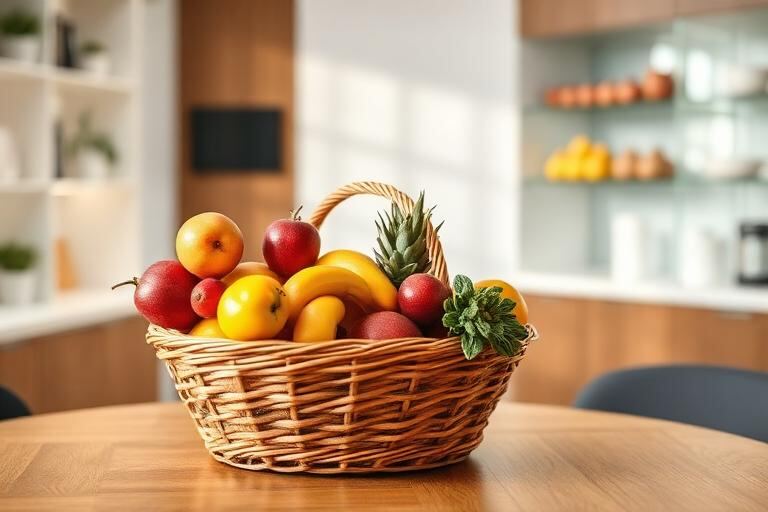
Individual bowls
Prepared portions for an agreed collection and consumption plan.
 Office FruitsDaily fruit programmes for offices across NCR.
 Event ManagementMango Manias, town halls & festive activations.
 RestaurantsProduce supply planned around food-service requirements.
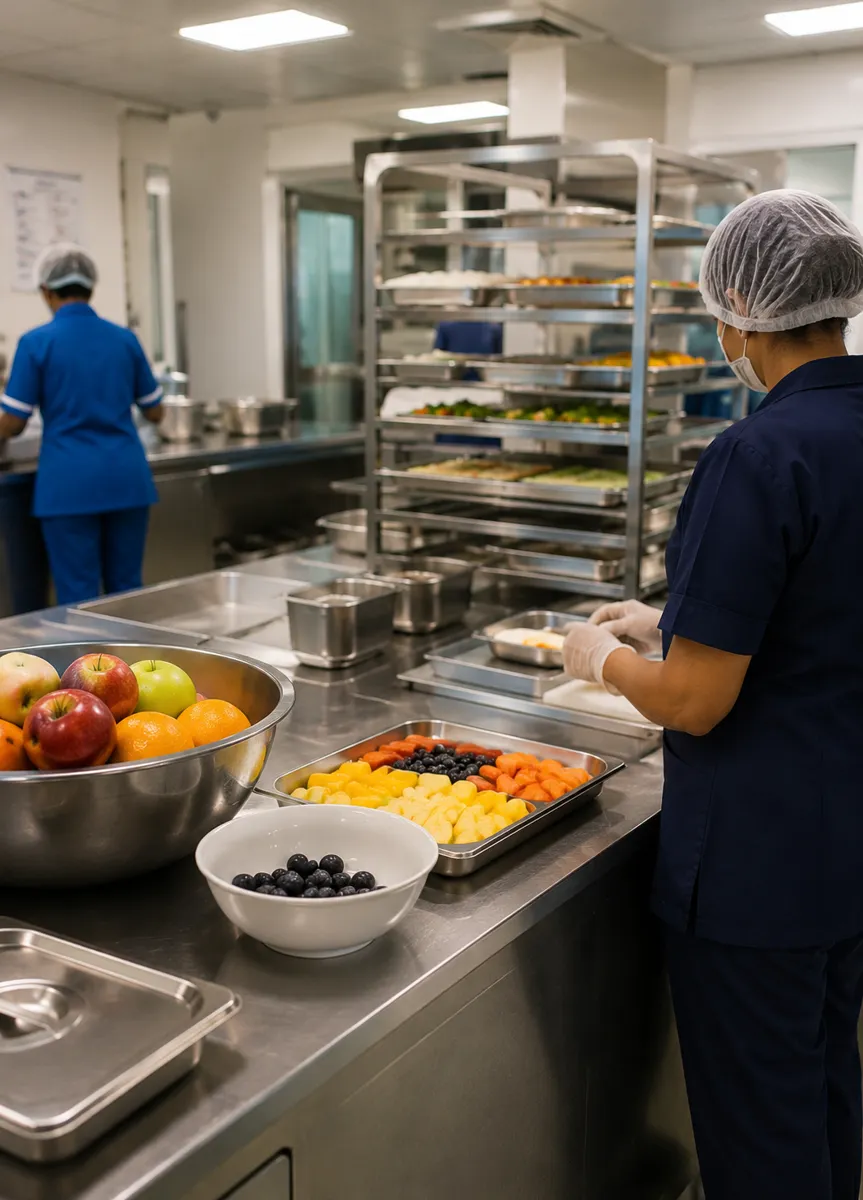 HospitalsPatient-friendly fruit trays with strict hygiene.
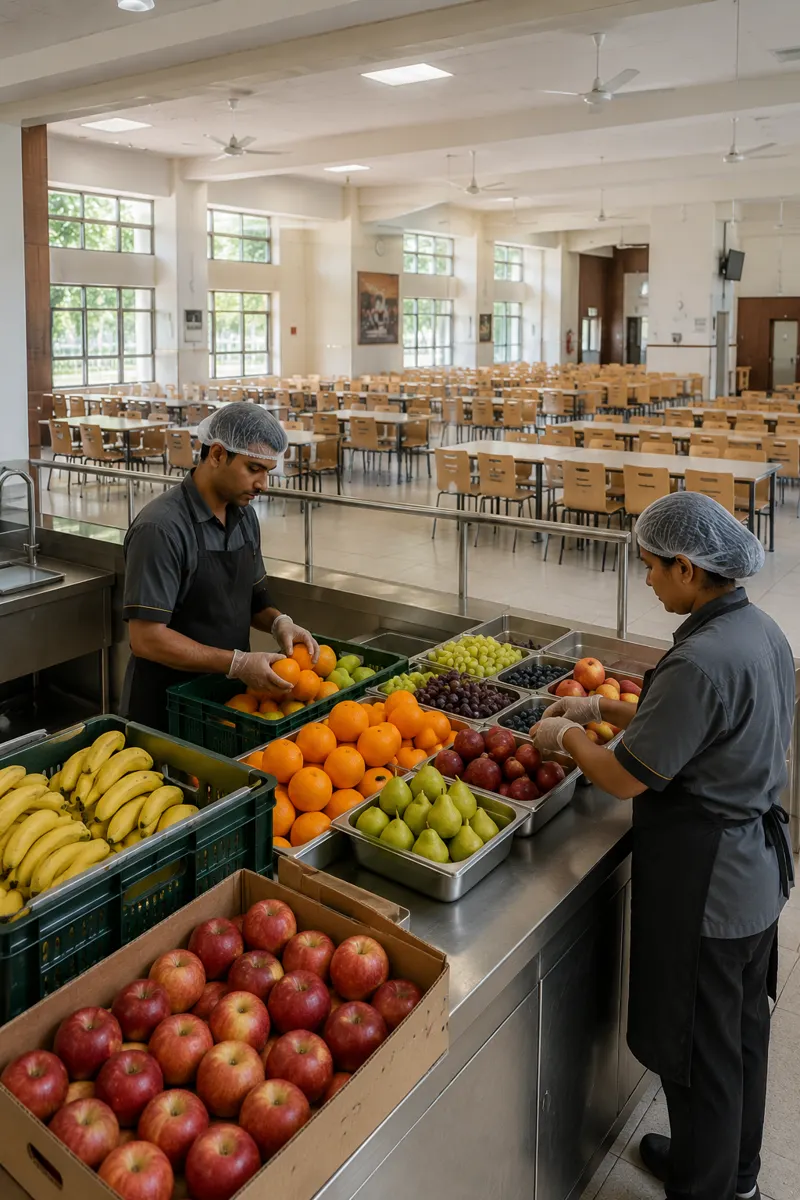 Educational InstitutionWholesome fruit programmes for schools & campuses.NGO, CSR & InstitutionalFresh-produce supply planned for institutional and community requirements.
 Gifting SolutionsPremium hampers for clients, employees & festivals.

Explore your options
Prepared portions for an agreed collection and consumption plan.
Personal fruit allocations with seasonal choices and practical handover.
Selected days and quantities reviewed around actual attendance.
An individual fruit plan gives each participating employee an agreed serving format instead of relying entirely on a shared pantry bowl. It can suit teams with staggered breaks, people working across different floors and meeting groups where distributing a large platter is inconvenient. The starting point is the workplace requirement: who is being served, where fruit will be received and when it will be eaten.
Fresh Produce Shoppe can review individual cut-fruit and recurring desk-supply requirements alongside its wider office fruits service. The proposal confirms what is practical for your address, quantities and handling facilities. This page helps you prepare that brief; it is not an automatic checkout or a promise that every format is available at every location.
Prepared fruit bowls can remove the need for an employee to peel or cut fruit at work. Specify whether you need mixed portions or a single-fruit format, whether a lid and serving utensil are required, and how the order will be allocated. Portion weights, fruit composition and packing should be agreed before comparing quotations.
For prepared fruit, receiving and storage are part of the order. Confirm the delivery window, the person accepting it and the refrigeration available before service. Follow the supplied storage and consumption instructions. A sealed container makes distribution convenient; it does not remove the need for appropriate temperature control or establish a universal shelf life.
A whole-fruit format can suit people who prefer to choose when to peel or eat their fruit. Apples, bananas, oranges and pears are examples to discuss, subject to season and condition. A desk pack can be planned as an individual allocation, while the actual handover may take place through a pantry or reception rather than delivery to every desk.
Explain which employees have access to washing facilities and whether packing needs to identify a floor, team or collection point. Agree how size differences and ripeness will be managed. Whole fruit and prepared fruit have different handling needs, so the programme should identify each format clearly rather than treating them as interchangeable servings.
In this context, a subscription means a recurring supply arrangement agreed with the FPS team. It may be planned around weekdays, selected attendance days or a weekly delivery, subject to the product format and service feasibility. It does not imply automatic billing, a fixed minimum term or an online cancellation facility.
Before approval, confirm the start date, delivery days, quantity-change deadline, holiday treatment and any pause or cancellation conditions. Record the price basis and payment arrangements in the same proposal. If a plan needs to change, a named workplace contact should coordinate the request and obtain confirmation rather than assuming a form submission changes an existing order.

Begin with the people expected in the office on each delivery day. A payroll headcount of 150 may translate into very different attendance on Monday and Thursday. Ask teams for a practical forecast and identify whether the order serves all attendees or only employees who have opted in.
For an illustrative 60 participating employees receiving one individually packed bowl each, the initial requirement is 60 bowls for that service. That example is a counting method, not a recommended dietary portion. The serving weight, fruit mix and any extra allowance should be agreed separately. Review actual collection before increasing or reducing the next order.
Seasonal planning allows the assortment to respond to availability and condition. Discuss a core selection, acceptable alternatives and any exclusions. A menu photograph is useful for communicating presentation, but the final order should identify the assortment basis in words, including whether varieties are fixed or may change with approval.
For mixed fruit, explain whether ingredients must be kept separate or combined in one bowl. Ask how the selected fruits hold up for the intended delivery and consumption period. Avoid making a long-term promise of one exact fruit mix when the supply arrangement is seasonal; document who can approve a replacement and when that decision is needed.
Hybrid offices usually need a day-by-day schedule rather than one flat quantity throughout the week. Share your expected attendance pattern, regular team days and known holidays. Identify the person responsible for sending changes, with an agreed deadline that gives sourcing, packing and delivery teams time to respond.
A pilot can reveal whether employees collect fruit when expected and whether one collection point becomes congested. Compare ordered, accepted and collected quantities. Distinguish absence from dislike of a particular fruit, and check whether leftovers came from an unsuitable service time. Those observations are more useful than simply ordering a larger safety buffer every day.
The phrase desk subscription describes the employee serving format; the distribution method still needs to be confirmed. One reception handover, floor-wise allocations and delivery to individual desks create different access, staffing and timing requirements. Explain what your building permits before selecting a preferred method.
A floor-wise system can label allocations by department or collection point without attaching every employee's personal information. Keep the number of handovers manageable and identify a backup receiver. Do not assume the supplier can move beyond building security or distribute throughout the premises unless that work is explicitly included in the agreed service scope.
For cut fruit, the office needs a receiving process that moves the delivery promptly into suitable storage or an agreed immediate service arrangement. Reserve refrigerator space before the order arrives, keep the receiving area ready and ensure the responsible person is available during the delivery window.
Ask for the handling instructions applicable to the product and follow them throughout storage and distribution. General food-safety guidance supports keeping cut fruit refrigerated; the product's own instructions and your food-service procedures should guide the actual plan. If refrigeration or prompt handover cannot be arranged, discuss another serving format before ordering prepared portions.
Confirm the container size, lid, pack count and whether utensils or napkins are included. For a multi-floor office, clarify whether individual bowls will arrive inside labelled outer packs. The receiving team should be able to count the order without opening every serving or disturbing its presentation.
If you need labels for product identification, preparation information or consumption guidance, describe that requirement in the brief and confirm the final format. Do not assume a particular certification, tamper-evident system or packaging material from a reference image. Any environmental claims should reflect the actual material and the disposal facilities available at your workplace.
Ask participating employees for practical fruit preferences and exclusions through your organisation's normal process. Summarise the requirement for the supplier without passing unnecessary personal or medical information. If an ingredient must be excluded, identify it clearly and ask whether the preparation and packing arrangement can meet the requirement.
A fruit exclusion is not the same as a guaranteed allergen-free service. For medically necessary dietary restrictions, employees should rely on appropriate professional advice, while the workplace confirms supplier capabilities before making any promise. Do not label a mixed-fruit plan suitable for every medical condition or dietary need merely because it contains fruit.
An individual fruit order can also support a training session, interview day or team meeting. Start with the confirmed attendee count, break time and serving location. Explain whether portions should be handed out individually, arranged at a counter or allocated to separate rooms.
Keep one-off meeting requirements distinct from the regular employee schedule. A training group of 30 does not necessarily mean the recurring desk plan should increase permanently by 30. Confirm any additional packing, delivery timing and receiving contact for that event, then return to the agreed recurring quantity after the occasion has passed.
Shared workplaces often have multiple tenant teams with different attendance patterns. Decide whether the operator orders one combined programme or each tenant approves a separate allocation. Establish who receives the delivery, who pays and how uncollected portions are handled within the agreed procedures.
A shared refrigerator also needs clear space allocation and ownership. Labels can identify a floor or tenant group, but distribution should not require employees to sort through unrelated food. Start with a manageable collection arrangement, review the busiest service period and adjust quantities using observed participation rather than the theoretical maximum capacity of the building.
The price depends on the fruit selection, portion weight, number of servings, preparation, packaging, delivery location and frequency. Whole-fruit packs, mixed cut-fruit bowls and meeting platters involve different work and should be quoted on a clear comparable basis. Ask which elements are included and which are optional.
Share a target budget if you have one, but keep it separate from the final confirmed rate. A price displayed in a planning example is not a current offer. The FPS team should review the requirement and confirm the actual commercial terms, including payment arrangements and any applicable delivery or special-packing charges, before supply begins.
Individual portions can simplify allocation and make it easier to count how many servings were distributed. Bulk whole fruit offers a shared pantry format in which employees choose from a communal selection. Neither approach automatically suits every office; compare the facilities, preparation responsibility and collection pattern in your workplace.
A mixed programme may use whole fruit for the regular pantry and prepared portions for selected meetings. Record each line separately so the same attendees are not accidentally counted twice. When comparing costs, include preparation, packing, receiving effort and waste, rather than looking only at the purchase price of an unprepared kilogram of fruit.
A pilot gives your team a chance to check the serving format, collection process and timing before setting a longer schedule. Agree the pilot date, participating group, quantity and evaluation questions. Any tasting or sample provision should be confirmed with FPS; it should not be assumed to be free or available automatically.
Record whether the order arrived within the agreed arrangement, was easy to receive and matched the confirmed specification. Ask employees about the selection and serving format without collecting unnecessary sensitive information. Use that feedback to prepare a concise change list, then confirm the revised plan instead of leaving decisions scattered across several conversations.

Keep a simple record of ordered portions, accepted portions, collected portions and any issue reported. For whole fruit, record counts or weights consistently. For prepared portions, follow the supplied handling and consumption instructions; do not extend their use period simply to avoid recording waste.
Look for practical explanations before changing the menu. A delivery arriving before anyone can receive it, a collection point hidden from employees or a mismatch with attendance can all affect uptake. Adjust one part of the plan at a time where possible, so the next review shows whether the change improved the service.
Fresh Produce Shoppe reviews workplace requirements across Delhi NCR, including Gurgaon, Delhi, Noida, Faridabad, Ghaziabad and Manesar. The actual service depends on the address, quantity, schedule and product format. Supplying a complete pin code and building name helps the team assess the request accurately.
For more than one office, list every delivery point separately with its expected quantities and receiving arrangements. Different sites may need different delivery windows or formats. Treat a coverage discussion as a planning step, with the final route and service scope confirmed in the proposal rather than assuming every location receives an identical arrangement.
The enquiry form below collects your preferred fruit setup, people count and delivery frequency, followed by your contact and location details. Those selections help the FPS team understand whether you need an individual bowl programme, a bulk pantry supply, corporate hampers or meeting platters.
Submitting the form requests a discussion and quotation. It does not create a paid subscription, reserve stock or accept a delivery contract. Review the response and confirm the agreed scope directly with the team. If your question concerns an existing order, include the relevant reference in your message without sharing payment credentials or other sensitive information.
A useful brief includes the office address, expected attendance by day, selected fruit format, portion basis, preferred service dates, packing requirements and receiving contact. Add any exclusions, building-access constraints and your target budget. If information is still provisional, identify what will be confirmed later and by whom.
The related guides below explore each decision in greater depth, from planning individual cut-fruit bowls to comparing quotations and running a pilot. Use them to prepare the questions that matter for your workplace, then send one consolidated enquiry. A clear agreed brief makes sourcing, packing, delivery and your internal employee communication easier to coordinate.
Use our interactive planner to browse fruits, compare morning, afternoon, evening and night-shift ideas, then build a brief for your workplace.
Open the fruit plannerDesk fruit planning · 6 min read
Plan the handover, refrigerator space, storage instructions and distribution responsibilities before individually packed fruit arrives at your workplace.
Read the guideDesk fruit planning · 6 min read
Compare whole-fruit desk packs and individual prepared bowls by facilities, serving convenience, quantities, handling and the full cost of workplace supply.
Read the guideDesk fruit planning · 6 min read
Launch a manageable fruit pilot with clear quantities, collection, feedback questions and a review of leftovers before agreeing recurring workplace supply.
Read the guideDesk fruit planning · 6 min read
Turn changing office attendance into a workable fruit schedule with day-by-day quantities, change deadlines, floor allocations and a simple review process.
Read the guideDesk fruit planning · 6 min read
Prepare a clear cut-fruit bowl brief covering people, portions, packing, chilled receiving and the questions to settle before recurring office deliveries.
Read the guideDesk fruit planning · 6 min read
Build a meeting fruit brief from attendee counts and break times, then compare bowls, platters, room allocations, receiving and a practical event checklist.
Read the guideDesk fruit planning · 6 min read
Choose workplace fruit combinations around service time, employee preferences and pantry facilities without turning a practical menu into a medical claim.
Read the guideDesk fruit planning · 6 min read
Prepare an after-hours fruit brief covering shift attendance, access, receiving responsibility, whole or prepared formats and confirmed storage arrangements.
Read the guideDesk fruit planning · 6 min read
Compare desk fruit proposals using the same portions, assortment, delivery frequency, packing and service scope, with a practical worksheet for budget owners.
Read the guideDesk fruit planning · 6 min read
Create varied office fruit combinations using a clear assortment brief, sensible substitutions, preparation requirements and employee feedback.
Read the guideTell FPS your office address, number of participating people, preferred portion format and required days. Individual serving formats can be discussed, but availability, minimum quantity and delivery feasibility are confirmed for each workplace. This page does not promise standalone single-bowl delivery.
No automatic billing is created through this page. A recurring supply schedule, payment basis, duration and any pause or cancellation conditions are discussed with the FPS team and confirmed before service starts.
Share your preferred serving weight, seasonal mix, whole-fruit count and exclusions. The proposal confirms the available selection, portion basis, packing and any substitution process. The page does not advertise a fixed weight or permanent fruit mix.
You can request selected delivery days and different quantities by day. Confirm the attendance forecast, change deadline, holiday arrangement and delivery feasibility with FPS before approving a recurring plan.
The distribution method is agreed separately. Reception handover, pantry collection and floor-wise allocations may require different arrangements. Delivery to individual desks should only be expected if explicitly included in the proposal.
Plan suitable refrigerated storage for cut fruit and prompt handover on arrival. Follow the storage and consumption instructions supplied for the actual order. If your workplace cannot support those arrangements, discuss an alternative format before ordering.
State the ingredients or packing requirements clearly so FPS can review whether they can be accommodated. An exclusion request is not a guarantee of allergen-free preparation, and medical dietary needs should not be assumed to be covered without confirmation.
Pricing depends on fruit varieties, portion basis, quantity, preparation, packing, location and frequency. Send your workplace brief and target budget for a tailored quotation; no fixed rate is promised on this page.
Include the separate quantities and dates for each format in your enquiry. FPS can review a combined requirement, with the available formats, delivery arrangements and commercial scope confirmed in the proposal.
Share the proposed pilot date, address, participant count, serving format and preferred delivery window. The team will review feasibility and confirm the pilot quantity, price and service arrangements before you commit.
Food handling reference: CDC food-safety guidance. Follow the instructions supplied with your actual order.
Choose your setup, team size and delivery rhythm. This sends an enquiry for review; it does not activate a paid subscription or confirm delivery.